






























Ever since first entering middle school to present day high school, I have heard the phrase “I haven’t picked up a book since fifth grade” repeated more times than a teacher reminds the class of an upcoming test.
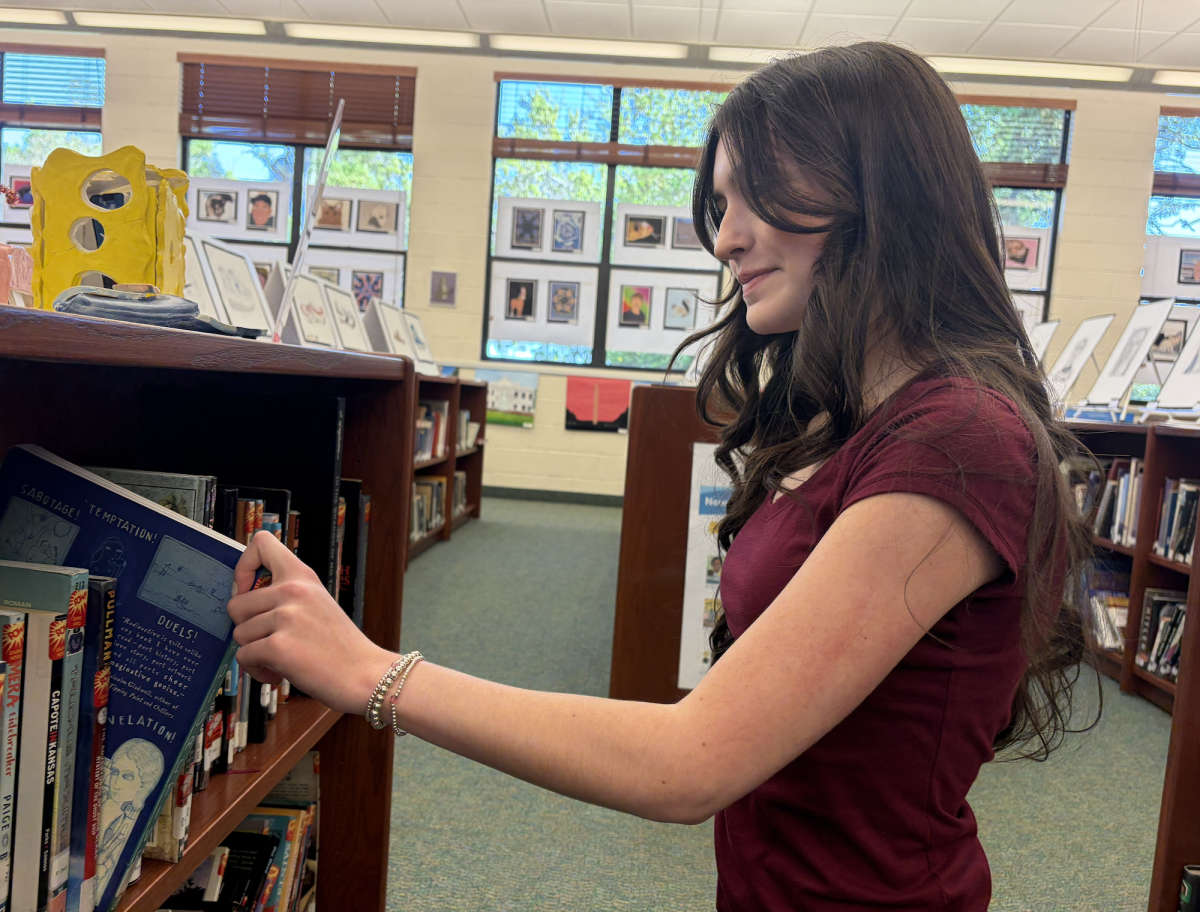
As someone who genuinely enjoys sitting down and reading a book, it saddens me to hear many of my peers disregarding one of my favorite hobbies as “nerdy” and undeserving of their time, especially when one of the reasons they say that is because they feel cornered into reading a certain text for English.
Selfishly, I wish everyone could share the same love for reading that I do, but I know that would be an unrealistic expectation.
Because I get it; reading isn’t for everyone.
Some people just don’t find it pleasurable to sit down and read for two hours straight, and some physically cannot do so (for varying personal reasons, such as disabilities like ADHD or dyslexia).
I myself struggle with staying in the same place for a while, thumbing through pieces of chopped up tree, and (as it appears to some people) wasting away my afternoon.
Most times, I would like to brush the lack of interest in reading off and just call them lazy—which can definitely be a reason my peers decide not to read—but I know that it can go much farther than that.
Recently, researchers at the University of Florida have discovered that the number of Americans who read for pleasure has dropped over 40% over the last 20 years, with a 3% decrease each year.
This is concerning for people all over the world because of what it means for students— if people that enjoy reading suddenly aren’t, then what does that mean for reluctant students?
Yes, the dip in reading is a problem, but not one that we can entirely blame on the students. The decline can also be from unhealthy teaching habits and tiring expectations from the school board.
There are other contributing factors other than indolence, too— the recent pandemic, phone addiction, and a general lack of motivation.
The results of the reading decline are disturbing.
Since COVID-19 era, the average basic reading skills for high-schoolers have taken a noticeable slide down hill. A study in September of 2025 conducted by National Assessment of Educational Progress (NAEP) reports that ⅓ of high-school seniors tested lacking basic reading skills (about 32% of students).
Along with high schoolers, middle and elementary school student’s reading levels have also been suffering, with over 40% of fourth graders and ⅓ of eight graders failing to meet the basic reading skill.
At first, this trend seems troubling.
However, Steve Nuzum at the SCEA (South Carolina Education Association) approaches this subject with a curious lens, presenting the fact that pandemics are not the sole reason for students’ disinterest in reading, authenticity is.
When a student feels pressured by a teacher to read a book they genuinely don’t want to, the outcome will be deficient. The children will never read a page from the book, possibly relying on AI or the internet to do it for them.
The Wiley Online Library highlighted that independent motivation predicts a student’s reading level more than controlled motivation. Meaning, if you choose a book, you’ll be more engaged in it.
Nevertheless, the researchers at The Wiley reported that, despite reluctance, most students do genuinely want to read and become “good readers.”
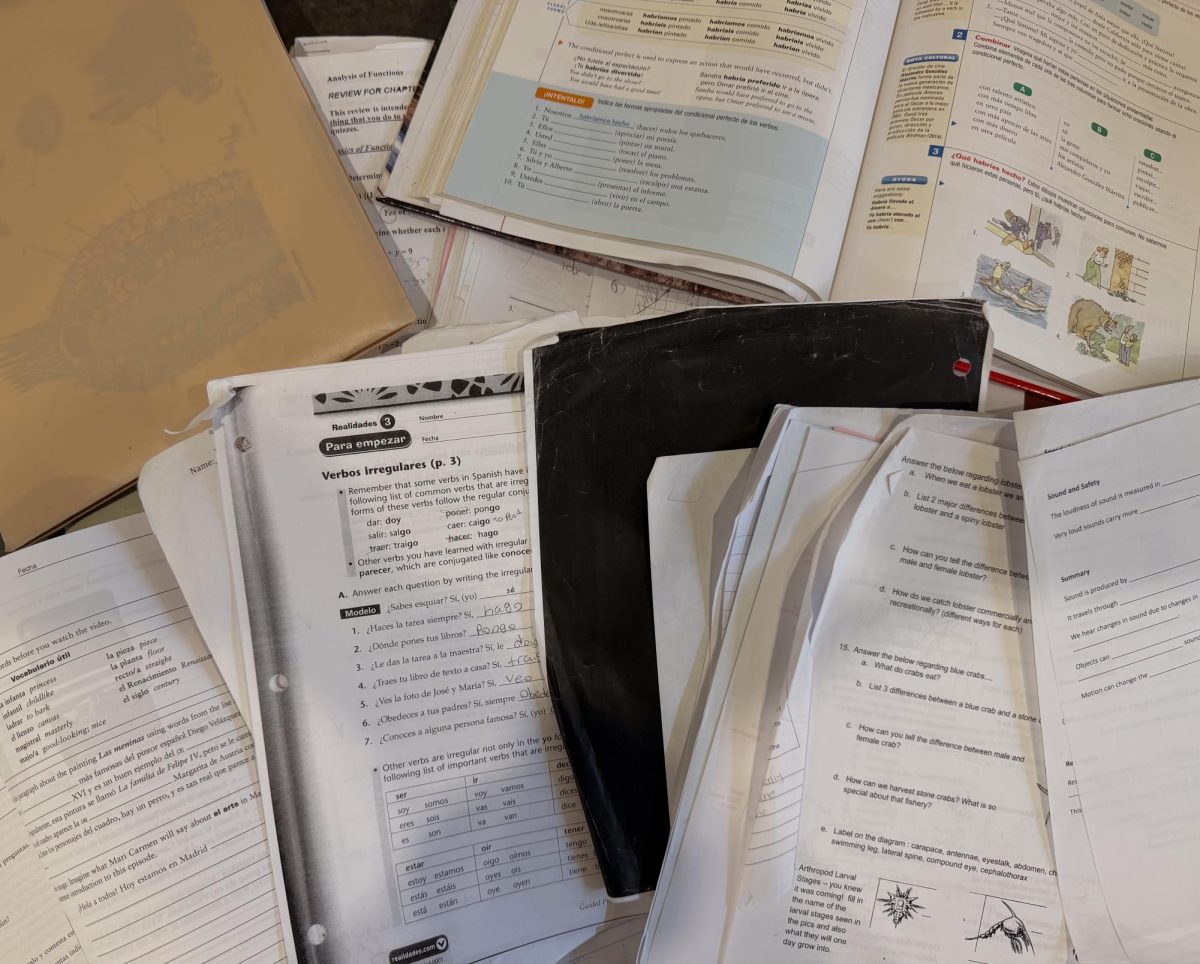
Their restraints? Never having actual time to read said book in class, not having the ability to choose, and boring books being assigned.
And, coming from a stereotypical “good reader,” I agree these are impediments to reading.
The setbacks that keep my peers from reading are an easy fix.
Literature-based classes can offer a quiet reading session at the end or beginning of class; students could be assigned a variety of books to choose from; and punishments for not conforming to a teacher’s rules can be driven with the angle of growth and curiosity, not just reprimand.
So, teachers, aim to learn more about why your students aren’t working as hard as they could, what they really think about the designated book, and maybe try out the listed possibilities above. See just how much you can learn from your students.
And to my peers that groan when teachers assign another night of reading, try approaching the situation in a new way: an opportunity to find out which types of books you like and which you don’t.
Somewhere out there you may find a book that really speaks to you, maybe through a character you can relate to, a quote that hits you—anything. But if you never take the chance, how will you know what you really like?
One negative experience can affect your mind for a while, but a positive experience could change it forever.

Jeannine Elisha • Apr 29, 2026 at 12:16 pm
Thank you for writing about this. When I grew up and in my early days of teaching, before and after school and during lunch, you’d see many kids sitting outside or in the library reading books and magazines. I hope your article inspires your classmates to take a trip to our Sunshine Library and choose a book.